
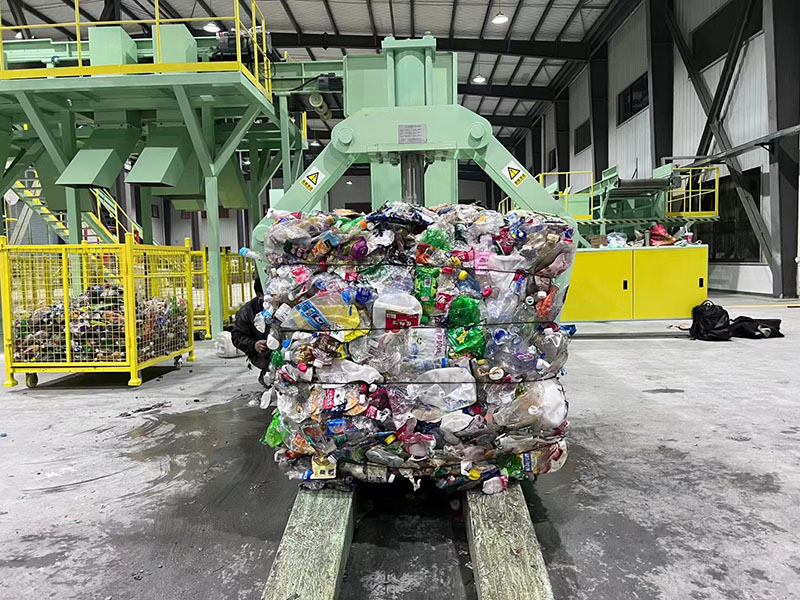
In recent years, the packaging and waste management industries have witnessed significant growth driven by rising environmental awareness and the demand for efficient material handling solutions. Among the essential equipment facilitating this transformation are hydraulic baler machines—robust, efficient devices designed to compact recyclable or waste materials into manageable, transportable bales. This article explores the current pricing landscape of hydraulic baler machines and provides an overview of the technological advancements shaping the future of baling equipment.
### The Importance of Hydraulic Baler Machines in Modern Industry
Hydraulic balers play a pivotal role in various sectors such as recycling, manufacturing, retail, and logistics. By compressing materials like cardboard, plastics, scrap metals, and paper, these machines help reduce volume, lower transportation costs, and improve storage efficiency. Additionally, baling promotes sustainability by enabling easier recycling and reducing landfill burden.
The versatility of hydraulic baler machines is remarkable, with designs catering to different applications:
- **Vertical Balers**: Typically used for smaller volume operations, these balers have a compact footprint and are ideal for businesses with limited space. Their ease of operation and lower upfront costs make them popular among retailers and packaging companies.
- **Horizontal Balers**: Suited for high-volume operations, horizontal balers provide faster cycle times and higher throughput. These machines are often found in larger manufacturing plants, recycling facilities, and warehouses.
- **Specialized Baling Presses**: For scrap metal and other dense materials, specialized scrap metal balers and shredders are available, designed to handle heavy-duty applications with precision and durability.
### Market Trends and Pricing of Hydraulic Baler Machines
The price of hydraulic baler machines can vary widely based on type, capacity, automation level, and additional features such as shredding capabilities or integrated binding systems. While specific brand names are excluded here to maintain a neutral perspective, general market analysis provides insights into typical pricing ranges and influencing factors.
- **Entry-Level Vertical Balers**: Suitable for small businesses or localized recycling efforts, these machines usually range from $5,000 to $20,000. They are generally manually operated or semi-automatic, with a focus on user-friendly designs and compact size.
- **Mid-Range Horizontal Balers**: Designed for medium to large-scale operations, prices typically range between $20,000 and $70,000. These models often feature enhanced automation, faster cycle times, and greater compression force, improving operational efficiency.
- **Heavy-Duty Scrap Metal Balers and Shredders**: These robust machines cater to industrial-scale recycling and metal processing, with prices often starting from $70,000 and extending into several hundred thousand dollars, depending on capacity, technology, and customization.
### Innovations Driving Hydraulic Baler Machinery Development
Leading manufacturers in the hydraulic baler domain are continuously investing in research and development to refine their products and meet evolving customer demands. Companies specializing in the design, manufacture, and export of hydraulic balers and packaging machinery are focusing on several core areas:
- **Automation and Smart Controls**: Incorporating programmable logic controllers (PLC) and touchscreen interfaces is enhancing operational precision and ease of use. Remote monitoring and diagnostics also enable predictive maintenance, reducing downtime and servicing costs.
- **Energy Efficiency**: Modern balers are designed with energy-saving hydraulic systems and regenerative technologies, lowering power consumption without compromising performance. Sustainability-conscious customers increasingly prioritize energy efficiency to reduce operational footprints.
- **Material Handling Versatility**: New models offer adaptable configurations to handle diverse material types and sizes. This flexibility supports businesses with multiple waste streams or varied recycling requirements.
- **Durability and Maintenance**: Advances in materials and engineering extend machine lifespans while simplifying maintenance routines. Components are designed for easy access and replacement, minimizing service interruptions.
### Industry Outlook and Customer Benefits
The demand for hydraulic baler machines is expected to grow steadily as industries adopt stricter environmental regulations and sustainability goals. Efficient waste management and packaging solutions provide tangible benefits, including cost savings, regulatory compliance, and improved operational workflows.
For businesses considering investment in baling machinery, evaluating machine capabilities relative to specific material types, throughput requirements, space constraints, and budget is crucial. Engaging with reputed manufacturers that offer comprehensive support—from product development to after-sales service—can greatly influence return on investment.
### About the Manufacturer
One prominent company making its mark in the hydraulic baler machinery market specializes in the development, design, manufacture, sales, and export of a wide range of hydraulic balers. Their product portfolio includes vertical balers, horizontal baling presses, scrap metal balers, shredders, and related packaging machinery and equipment. With a commitment to innovation and customer-centric solutions, this company continues to enhance industry standards by integrating advanced technology and robust engineering into every facet of their products.
Their expertise spans from concept to production, ensuring each machine is tailored to meet diverse operational demands. By focusing on hydraulic systems, packaging equipment, and associated machinery development, the company aims to support sustainable business practices and efficient material management across industries worldwide.
### Conclusion
Hydraulic baler machines remain a cornerstone technology in the movement towards efficient, eco-friendly packaging and waste handling. With a competitive pricing spectrum accommodating small to large enterprises, and ongoing advancements enhancing functionality and sustainability, these machines represent a sound investment for companies committed to operational excellence and environmental responsibility.
As industry trends evolve, stakeholders are encouraged to stay informed about technological innovations and market dynamics, selecting baler solutions that align with their specific needs and long-term strategic goals. Whether through vertical or horizontal balers, or specialist scrap metal processing equipment, hydraulic balers will continue to drive efficiency and sustainability in the packaging and recycling sectors.